Fierce Pharma
Fierce Biotech
Fierce Healthcare
Fierce Life Sciences Events
Advertise
About Us
Pharma
Vaccines
Asia
Cell & Gene Therapy
Drug Delivery
Executives
Manufacturing
Facilities
Recalls
Warning Letters
Marketing
Special Reports
Fierce 50
Special Report
Awards Gala
Resources
Podcasts
Fierce Events
Industry Events
Webinars
Whitepapers
Survey
Events
Subscribe
Subscribe
Pharma
Vaccines
Asia
Cell & Gene Therapy
Drug Delivery
Executives
Manufacturing
Facilities
Recalls
Warning Letters
Marketing
Special Reports
Fierce 50
Special Report
Awards Gala
Resources
Podcasts
Fierce Events
Industry Events
Webinars
Whitepapers
Survey
Events
Subscribe
Fierce Pharma
Fierce Biotech
Fierce Healthcare
Fierce Life Sciences Events
Advertise
About Us
Manufacturing
Pharma
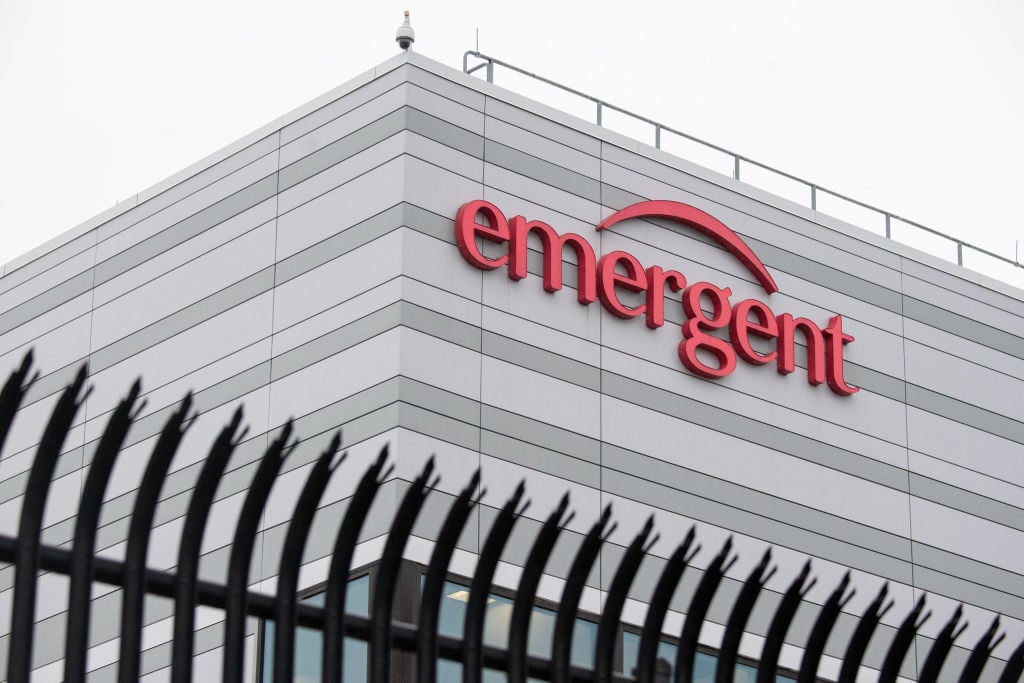
Emergent to cut 300 jobs, shutter 2 facilities in major overhaul
Joseph Papa's turnaround plan for the CDMO-turned-biopharma company involves a reduction of 300 jobs and closure of two facilities.
Angus Liu
,
Fraiser Kansteiner
May 1, 2024 5:06pm
WuXi Bio pulls out of 2024 BIO convention
May 1, 2024 2:48pm
BIO survey to elucidate US biopharma's reliance on Chinese CDMOs
May 1, 2024 11:00am
Lilly: Zepbound, Mounjaro supply to remain tight through 2024
Apr 30, 2024 12:03pm
CPI unveils next leg of its digital manufacturing journey
Apr 30, 2024 10:23am
WuXi AppTec stays the course amid US biosecurity crackdown
Apr 30, 2024 9:30am