Fierce Pharma
Fierce Biotech
Fierce Healthcare
Fierce Life Sciences Events
Advertise
About Us
Pharma
Vaccines
Asia
Cell & Gene Therapy
Drug Delivery
Executives
Manufacturing
Facilities
Recalls
Warning Letters
Marketing
Special Reports
Fierce 50
Special Report
Awards Gala
Resources
Podcasts
Fierce Events
Industry Events
Webinars
Whitepapers
Survey
Events
Subscribe
Subscribe
Pharma
Vaccines
Asia
Cell & Gene Therapy
Drug Delivery
Executives
Manufacturing
Facilities
Recalls
Warning Letters
Marketing
Special Reports
Fierce 50
Special Report
Awards Gala
Resources
Podcasts
Fierce Events
Industry Events
Webinars
Whitepapers
Survey
Events
Subscribe
Fierce Pharma
Fierce Biotech
Fierce Healthcare
Fierce Life Sciences Events
Advertise
About Us
Manufacturing
Pharma
Lilly to beef up injectables production with Nexus plant in WI
Eli Lilly is paying an undisclosed sum to acquire Nexus Pharmaceuticals’ high-tech injectable production facility in Pleasant Prairie, Wisconsin.
Fraiser Kansteiner
Apr 23, 2024 3:07pm
FDA rejects Abeona' Therapeutics' topical gene therapy pz-cel
Apr 23, 2024 11:16am
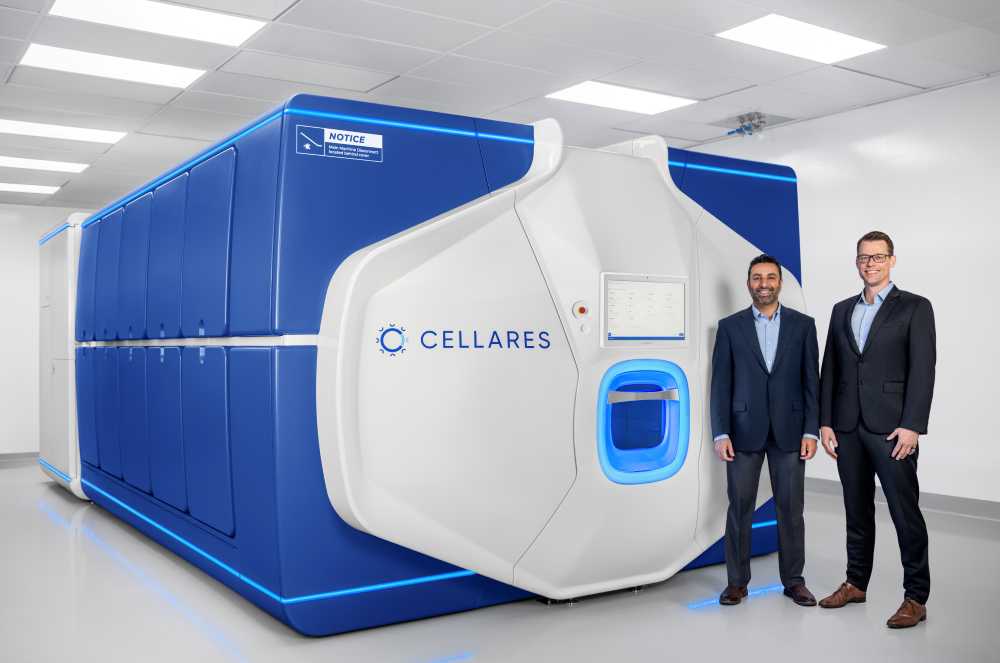
BMS signs $380M deal with cell therapy manufacturer Cellares
Apr 22, 2024 11:10am
Par Pharma recalls blood pressure med for possible contamination
Apr 22, 2024 9:50am
With SK partnership, Ferring boosts long-term Adstiladrin supply
Apr 18, 2024 5:12pm
Shinobi, Panasonic link up on new cell therapy production tech
Apr 18, 2024 4:01pm